Thank you to everyone who provided feedback on the Auditing and Assurance Standards Board’s (AASB) Re-exposure Draft, “Proposed Canadian Amendments Related to Indigenous Matters in the Canadian Standard on Sustainability Assurance (CSSA) 5000, General Requirements for Sustainability Assurance Engagements."
What we heard
The AASB is considering the feedback we received through our outreach activities and determining what revisions are necessary to our proposed Indigenous amendment. Read the full details about the proposed Indigenous amendment on the Indigenous Matters in CSSA 5000 page.
A first look at the comments showed some ongoing implementation challenges and highlighted the need for additional subject-matter expertise as the work moves forward. Based on the feedback, the AASB has identified the areas most often raised for potential revisions.
The items below highlight key themes and do not represent a full list of all the feedback being considered.
Top suggested revisions to the proposal
Applicability of paragraph C111A in discrete metric engagements
- Clarify that paragraph C111A may not apply in a discrete metric engagement when the metrics are unrelated to Indigenous rights
- Explain that the practitioner must use professional judgment to determine whether the metrics are unrelated
Indigenous expertise as part of the engagement team
- To support:
- assessing whether the amendment applies;
- determining whether the entity operates in Indigenous contexts;
- identifying and assessing risks; and
- developing a response.
Clarity on certain items
- Indigenous-intensive industry
- Disproportionately affects Indigenous Peoples
- Meaningful consultation
More examples
- Examples of discrete metrics unrelated to Indigenous rights
- Examples of an entity’s operations within or outside Indigenous contexts and their impact on the nature and extent of risk assessment procedures
Who we heard from
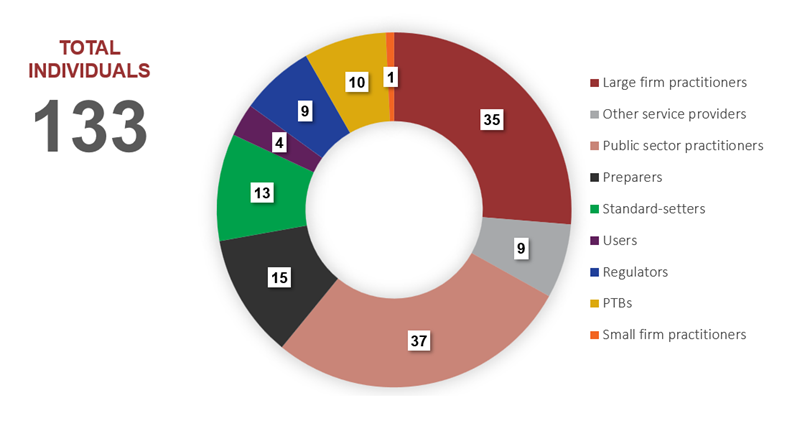 Approximately 16 per cent of individuals who provided input either self-identified as Indigenous people or indicated they were contributing Indigenous perspectives through professional or lived experience. These perspectives were represented across the interested and affected parties listed.
How we gathered your feedback
Prioritizing Indigenous engagement
During the engagement process on the Re-exposure Draft, and as revisions to the Indigenous amendment progress, the AASB is prioritizing engagement with Indigenous Peoples, communities, and organizations, alongside assurance practitioners. Ongoing conversation is essential to ensuring the amendment is clear and fit for purpose.
The AASB is committed to meaningful and mutual engagement with Indigenous Peoples. We will continue applying key lessons to enhance understanding, encourage diverse perspectives, and advance inclusive standard setting.
What’s next
Visit the Indigenous Matters in CSSA 5000 page to stay informed about next steps and the timeline related to the Indigenous amendment in CSSA 5000.